
You also need to make money: the Overwatch director explained why some heroes have more skins than others

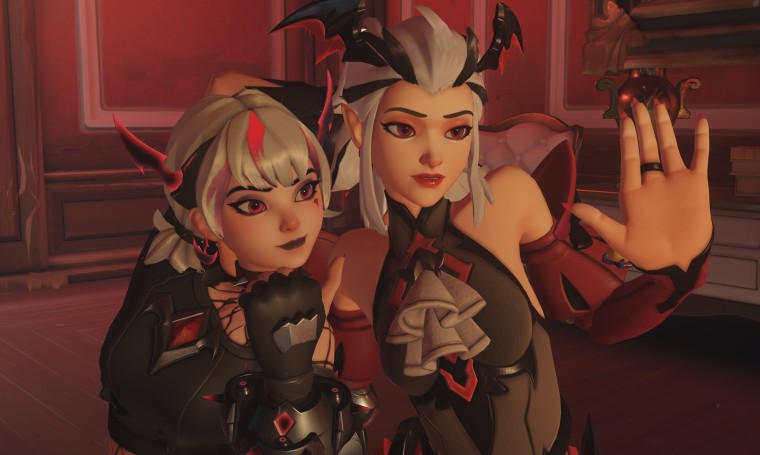
Discussion around BlizzCon 2026 has renewed focus on a long-running complaint among Overwatch players: certain heroes—commonly cited examples include Kiriko, Mercy and Genji—regularly receive new legendary and epic skins, while many other characters see far less frequent or lower-complexity cosmetic support.
In an interview with Men's Journal, Overwatch game director Aaron Keller acknowledged the feedback and explained the principles that guide the team’s skin-selection decisions. Keller said the developers balance multiple priorities when deciding which heroes get new cosmetics.
One of these pillars is that we really want to create new skins for as many heroes as possible. Another pillar, however, is that we want to support the game with the skins we choose to make. If you look at internal data, the biggest factor in a skin's popularity is the hero it is made for.
Keller added that the studio must be "responsible enough" to release skins that will sell; without sufficient commercial return, resources to continue supporting Overwatch would be limited. He described this as a practical reality in which cosmetics for the game's biggest-selling heroes fund ongoing development, while less-popular characters tend to receive content less often and in simpler forms—frequently released without additional emotes or highlight intros.
The perception of favoritism in cosmetic drops is not new. Art director Dion Rogers previously acknowledged player complaints about repeated epic skins for the same characters and said the team intended to prioritize a more balanced distribution. Whether that pledge will change the pattern of releases remains unclear, but Keller’s comments provide an explicit explanation: skin production is strongly influenced by which heroes generate the most revenue.