
The price of DRAM has soared by 401% – a kilogram of memory costs as much as 620 grams of gold

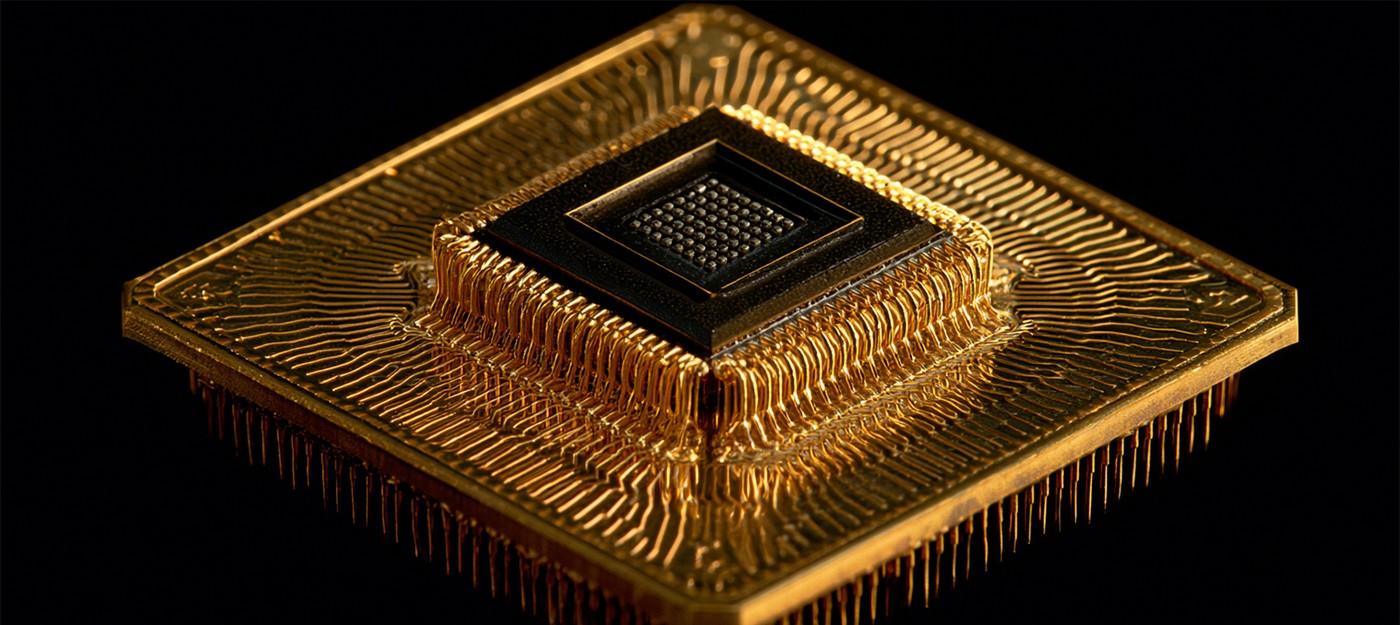
Memory shortages driven by massive AI infrastructure projects have sent DRAM export prices into territory usually reserved for jewelry. Oddly enough, about 1 kg of Korean-made memory chips now trades at roughly the same value as 620 g of 24‑karat gold.
Figures from the Korean Trade Statistics Promotion Institute (TRASS), quoted by ChosunBiz, put the average DRAM export price from Aug 1–20 at USD 92,183 per kg (≈127M won). That’s a 401% jump YoY. Back in Jan 2023—shortly after ChatGPT’s public debut—the same memory was about 12.5× cheaper.
Market quotes in Korea show 620 g of 24‑karat gold at ~126.6M won, so the parity is more than a quirk. Gold’s own climb in 2026 has been helped by a weak USD and a general sense of economic unease, with soaring energy costs linked to the Iran conflict adding pressure.
Firms that make the chips haven’t kept quiet about the windfall. SK hynix and Samsung reportedly handed out hefty bonuses; workers at Micron’s Taiwan units are said to be expecting similar payouts. Human cost and reward—visible in paychecks—are part of the picture now.
Three companies call most of the shots worldwide: Korea’s SK hynix and Samsung, and U.S.-based Micron. Micron, for its part, is building out U.S. capacity to cut some of the industry’s reliance on long, fragile supply chains.
The price shock ripples beyond fabs. Consumer-electronics makers are adjusting on the fly: Apple has raised prices on several items this year and, sources say, is lobbying the U.S. government to greenlight purchases from China’s CXMT. CXMT’s IPO set records in China; the firm sees the shortage as a rare opening to win market ground.
Even product designs are changing. MSI’s new Katana 15 HX C14W gaming laptop mixes older DDR4 with newer DDR5 memory—a direct reaction to stratospheric DDR5 costs. Procurement teams are juggling parts and specs in real time.
And GPU vendors feel it too. Early estimates suggest Rubin‑server GPUs could carry a 15–17% price increase, with a big slice of that uptick traceable to memory alone. Small component, big consequences—literally.