
NVIDIA RTX 50 SUPER Graphics Cards Are Ready, But Their Release Is Delayed Due to Video Memory Prices

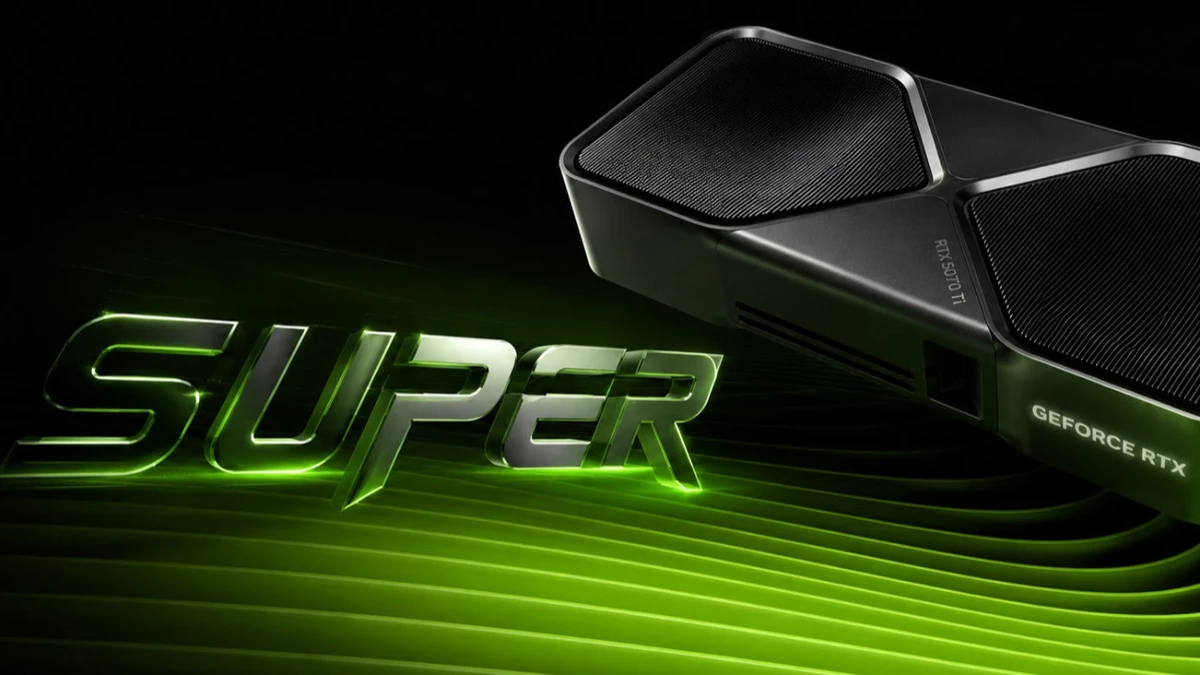
NVIDIA’s planned refresh for the RTX 50 family — the so-called RTX 50 SUPER line — has stalled unexpectedly. Insiders say prototype cards have even reached AIBs’ warehouses, but the company hit the brakes: an indefinite hold on launch. The culprit? GDDR7 memory chips that are shockingly expensive.
The core idea behind these SUPER SKUs was simple in concept: pack more VRAM without redesigning PCBs or widening the memory bus. Instead of the usual 2 GB GDDR7 modules, NVIDIA intended to switch to denser 3 GB chips per module (i.e., more capacity per package). That change alone would lift total frame-buffer sizes across the board.
Which cards were in the run? Reportedly: RTX 5070 Super, RTX 5070 Ti Super, and RTX 5080 Super. Two of those (5070 Ti Super and 5080 Super) would see no GPU core upgrades — only larger VRAM arrays and the inevitable rise in TDP (GDDR7 runs hot and draws more power). The RTX 5070 Super was slated to get a small GPU tweak as well: +2 compute units, plus the bumped-up memory.
Here comes the ugly math: simply swapping to the 3 GB GDDR7 parts reportedly tacks on about $300–$400 in BOM cost for each card (manufacturers’ side). Translate that to retail and these SKUs could quickly become hard to justify price-wise — consumers might balk, understandably.
So: working silicon at partners’ doors, but a business decision — cost vs. price acceptance — has paused the rollout. Whether NVIDIA waits for memory prices to cool or rethinks the SKU mix remains to be seen.
Sources: wccftech