
1 Kilometer and 10 Meters – How Pearl Abyss Taught Players to Trust the Horizon in Crimson Desert

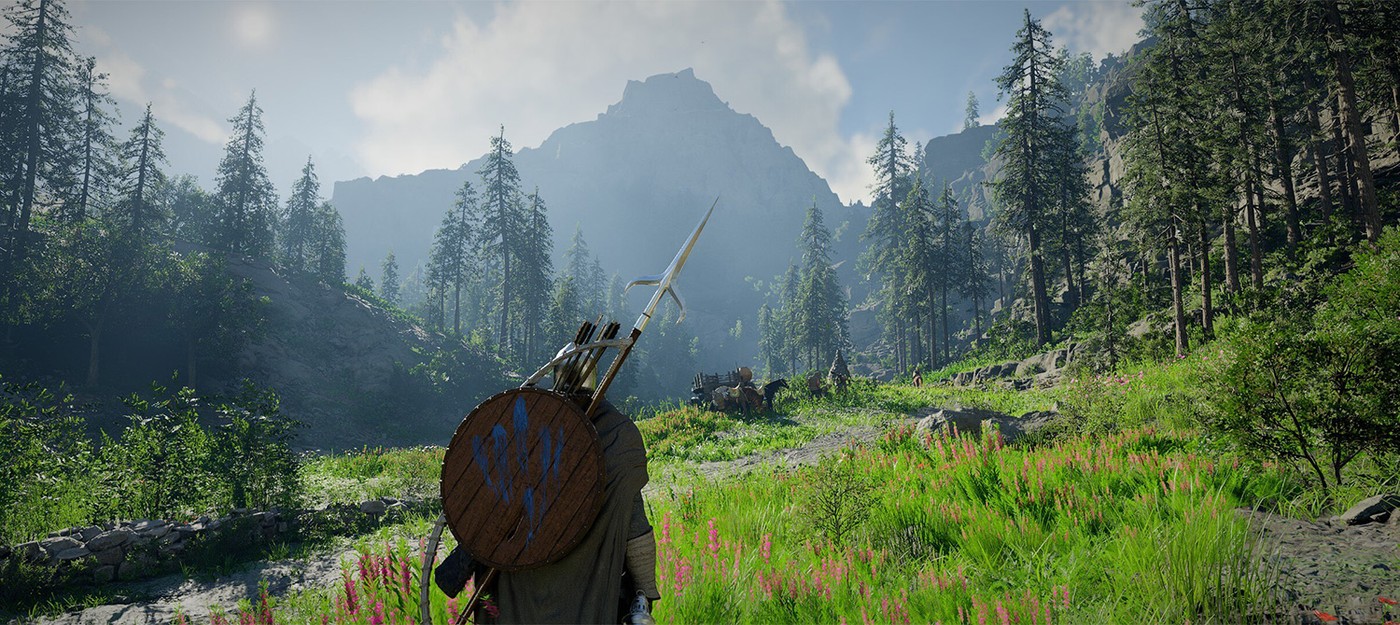
Pearl Abyss said the central idea behind the open world of Crimson Desert was simple enough to sound risky: anything you can spot on the horizon should be something you can actually walk to. At Gamescom Dev the team that built Pywel walked the audience through what that meant in practice — and why they treat "trust in the horizon" as their proudest, and most fragile, success.
Pywel turned into an unusually dense, varied region. When the game shipped in March, technical problems made reviews mixed, yet almost every critic mentioned the sheer scale. The map stitches together different biomes, deep dungeons, floating sky-zones and sprawling cities; that mix wasn’t for show. The tricky bit fell on the graphics/engine side — they had to scale and optimize the environment so performance wouldn’t collapse and players could still move around without frustration (i.e., playable at both ends of the map).
Pearl Abyss environment artist Kynte An admitted the team tripped up more than once, crafting scenes that looked gorgeous on a screenshot but felt empty or awkward to explore:
We didn’t want the environment to be mere backdrop; we wanted it to be content. If you see it from far away, you should be able to reach it.
To make that work they judged landmarks at two ranges — 1 km and 10 m, e.g. assess horizon-readability first, then verify the close-up experience. Natural areas were tuned to be rich but not cluttered; too much density would hide the next goal rather than invite it. As An put it, nature wasn’t designed for games, so making it believable and fun to move through are separate problems — beauty ≠ playability.
Another headache was internal: different team members had different standards, which left hundreds of map fragments that didn’t align well. The BlackSpace engine, built specifically for Crimson Desert, went through multiple technical rebuilds over the years and is still being refined for their next projects — a reminder that the world itself was never a finished thing but a persistent, evolving work-in-progress.